One of the most common concerns patients and parents have before starting orthodontic treatment is simple and honest: are braces painful? It is a fair question. Anytime something is changing your teeth and bite, some level of discomfort is expected. The good news is that braces pain is typically mild, temporary, and manageable.
At Santucci Orthodontics, we believe patients feel more confident when they know exactly what to expect. Understanding how braces work, why discomfort happens, and how to manage it makes the process much easier.
Do Braces Hurt When You First Get Them?
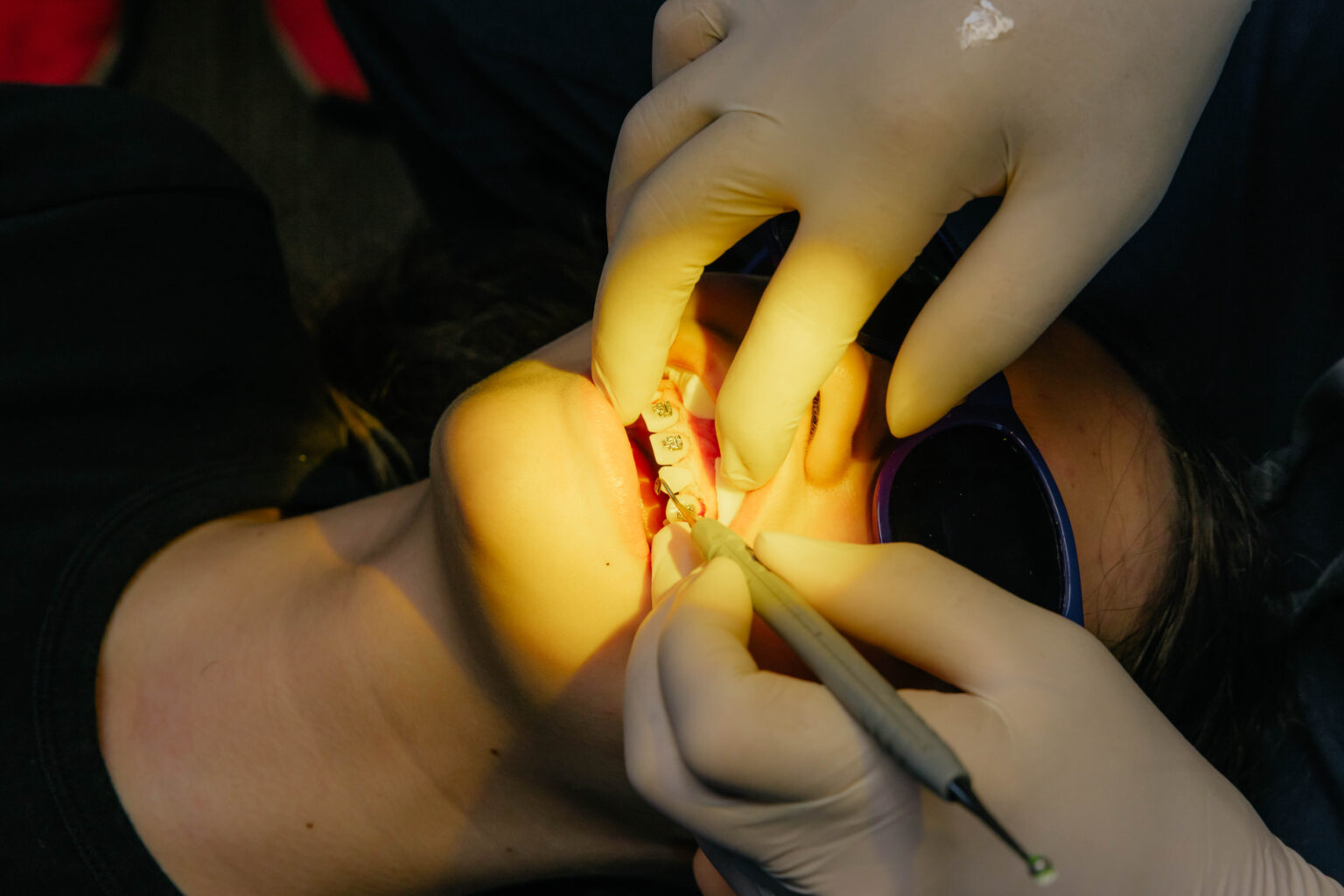
When getting braces for the first time, most patients do not feel sharp pain during the appointment itself. The process of placing dental braces involves bonding brackets to the teeth with a special glue and connecting them with a wire. This is not painful.
However, within a few hours, patients usually begin to feel mild soreness or pressure. This happens because braces start applying gentle force to move each tooth into proper alignment.
This initial discomfort typically:
- Begins within 4 to 6 hours
- Peaks around 24 to 48 hours
- Gradually improves over a few days
This is a normal part of braces treatment and a sign that tooth movement has begun.
Why Do Braces Cause Discomfort?
Braces work by applying controlled pressure to the teeth and surrounding bone. This pressure stimulates the biological process that allows teeth to shift into new positions.
This process can cause:
- Mild soreness in the teeth
- Sensitivity when biting or chewing
- Temporary inflammation in the gums or soft tissues
It is important to understand that this is not damaging the teeth. Instead, it is a carefully guided process that supports long-term oral health and proper alignment.
What Kind of Pain Do Braces Cause?
Most patients describe braces pain as pressure rather than sharp pain. It can feel like:
- A dull ache in the teeth
- Sensitivity when chewing
- Mild discomfort in the gums
- Irritation where brackets touch the inside of the mouth
Sharp pain is uncommon. If it occurs, it is usually due to something like a loose bracket or wire irritation rather than normal orthodontic treatment.
When Do Braces Hurt the Most?
There are a few key moments during braces treatment when discomfort is most noticeable:
1. After Getting Braces
The first few days are typically the most uncomfortable as your mouth adjusts.
2. After Adjustments
During orthodontic appointments, the wire or elastic band may be adjusted. This can create temporary soreness similar to when braces are first placed.
3. When a Bracket or Wire Irritates the Mouth
Brackets can sometimes rub against the cheeks or lips, causing sore spots or irritation.
How Long Does Braces Pain Last?
Braces discomfort is temporary. For most patients:
- Initial soreness lasts 3 to 5 days
- Adjustment-related discomfort lasts 1 to 3 days
- Soft tissue irritation improves as the mouth adapts
As treatment continues, patients usually become more accustomed to the feeling of braces, and discomfort becomes less noticeable.
Tips for Managing Braces Pain
There are several effective ways to manage braces pain and discomfort during treatment.
Simple Ways to Reduce Discomfort
- Use orthodontic wax
Applying orthodontic wax to brackets can prevent irritation and sore spots.
- Eat soft foods
Foods like yogurt, mashed potatoes, eggs, and smoothies reduce pressure on sore teeth.
- Rinse with warm salt water
This can soothe gums and reduce inflammation.
- Use over-the-counter pain relief if needed
Mild pain relievers can help during the first few days or after adjustments.
- Avoid hard or sticky foods
These can increase discomfort and damage brackets.
Best Foods to Eat When Braces Hurt
When soreness is present, choosing the right foods makes a big difference. Here are some good options:
Soft Foods to Eat:
- Scrambled eggs
- Pasta
- Rice
- Smoothies
- Applesauce
- Soft fruits like bananas
- Soup
Foods to Avoid:
- Hard candy
- Popcorn
- Nuts
- Chewy foods like caramel
- Crunchy snacks
Eating softer foods during periods of discomfort helps reduce pressure on teeth and allows your mouth to recover.
Do Metal Braces Hurt More Than Other Types?
Traditional metal braces are very effective and widely used, especially for teens. The level of discomfort is similar across most types of braces.
- Metal braces are strong and efficient
- Ceramic braces work similarly but are less noticeable
- Clear aligners may feel different but still involve pressure
The discomfort is not determined by the material as much as the tooth movement itself.
Braces vs Invisalign: Which Is More Comfortable?
Patients often ask whether braces or aligners are more comfortable.
- Braces apply continuous pressure and may cause more noticeable soreness at first
- Aligners apply pressure in stages and may feel tighter with each new tray
Both options involve discomfort, but neither should cause severe pain. The difference comes down to lifestyle, compliance, and treatment needs.
Can Braces Cause Gum Pain or Swelling?
Yes, some patients experience sore gums or mild swelling during treatment. This can happen when:
- Teeth are shifting
- Oral hygiene is more difficult
- Brackets irritate soft tissues
Maintaining good oral hygiene is essential to prevent gum inflammation and discomfort.
Importance of Oral Hygiene During Braces
Keeping your teeth and gums healthy during braces treatment reduces discomfort and prevents complications like tooth decay.
Good oral hygiene includes:
- Brushing after every meal
- Flossing carefully around brackets
- Using fluoride toothpaste
- Attending regular dental appointments
Healthy gums respond better to orthodontic treatment and help minimize irritation.
What If Braces Hurt More Than Expected?
While mild discomfort is normal, persistent or severe pain is not. You should contact your orthodontist if you experience:
- Sharp or intense pain
- A loose bracket or broken wire
- Severe swelling
- Difficulty eating for extended periods
These issues can usually be resolved quickly with a simple adjustment.
Does Pain Mean Braces Are Working?
Many patients assume that more pain means faster results. This is not true.
Tooth movement happens through controlled, gradual pressure. The goal is safe and predictable movement, not speed through discomfort.
Mild soreness is normal, but excessive pain does not improve treatment outcomes.
Emotional Side of Braces for Teens
For teens, braces are not just a physical experience. There is also a social and emotional aspect.
Some teens feel self-conscious at first, but most adjust quickly. In fact, many become more confident as they see their teeth improving over time.
Understanding that braces are temporary and lead to long-term benefits helps shift the focus from discomfort to progress.
Long-Term Benefits of Braces
While braces may cause temporary discomfort, the long-term benefits are significant:
- Straighter teeth
- Improved bite alignment
- Easier oral hygiene
- Reduced risk of dental issues
- Increased confidence
Orthodontic treatment is an investment in both health and appearance.
Are Braces Worth It?
For most patients, the answer is yes. The discomfort associated with braces is temporary, but the results last for years.
When treatment is completed and teeth are properly aligned, patients often look back and realize the process was manageable and worthwhile.
Final Thoughts
So, are braces painful? The honest answer is that they can cause temporary discomfort, especially at the beginning and after adjustments. However, this discomfort is typically mild, short-lived, and manageable with simple steps.
Orthodontic treatment is a carefully guided process designed to improve alignment, function, and long-term oral health. With proper care, good hygiene, and consistent appointments, most patients adjust quickly and move through treatment with minimal disruption.
At Santucci Orthodontics, we focus on making the experience as comfortable and predictable as possible. Every treatment plan is designed with precision, care, and attention to detail.
Braces may come with a short adjustment period, but the result is a healthier, more confident smile that lasts well beyond treatment.